
What factors influence the costs associated with grid services for solar energy?
The costs associated with grid services for solar energy are influenced by a variety of factors, reflecting the complexity and dynamic nature of the energy market. Key determinants include the location and scale of the solar installation, which can affect both the initial connection costs and ongoing service charges. Additionally, regulatory frameworks and local grid infrastructure capabilities can significantly impact costs, as they dictate the terms of grid access and energy export options.
Another important consideration is the level of grid flexibility required to accommodate solar energy. This involves evaluating the grid’s capacity to integrate renewable energy sources and manage fluctuations in supply and demand. Technological advancements and innovations in grid management can also play a role in mitigating costs, offering more efficient and reliable solutions. Understanding these factors is crucial for anyone looking to optimise their investment in solar energy and ensure a sustainable, cost-effective integration into the grid.
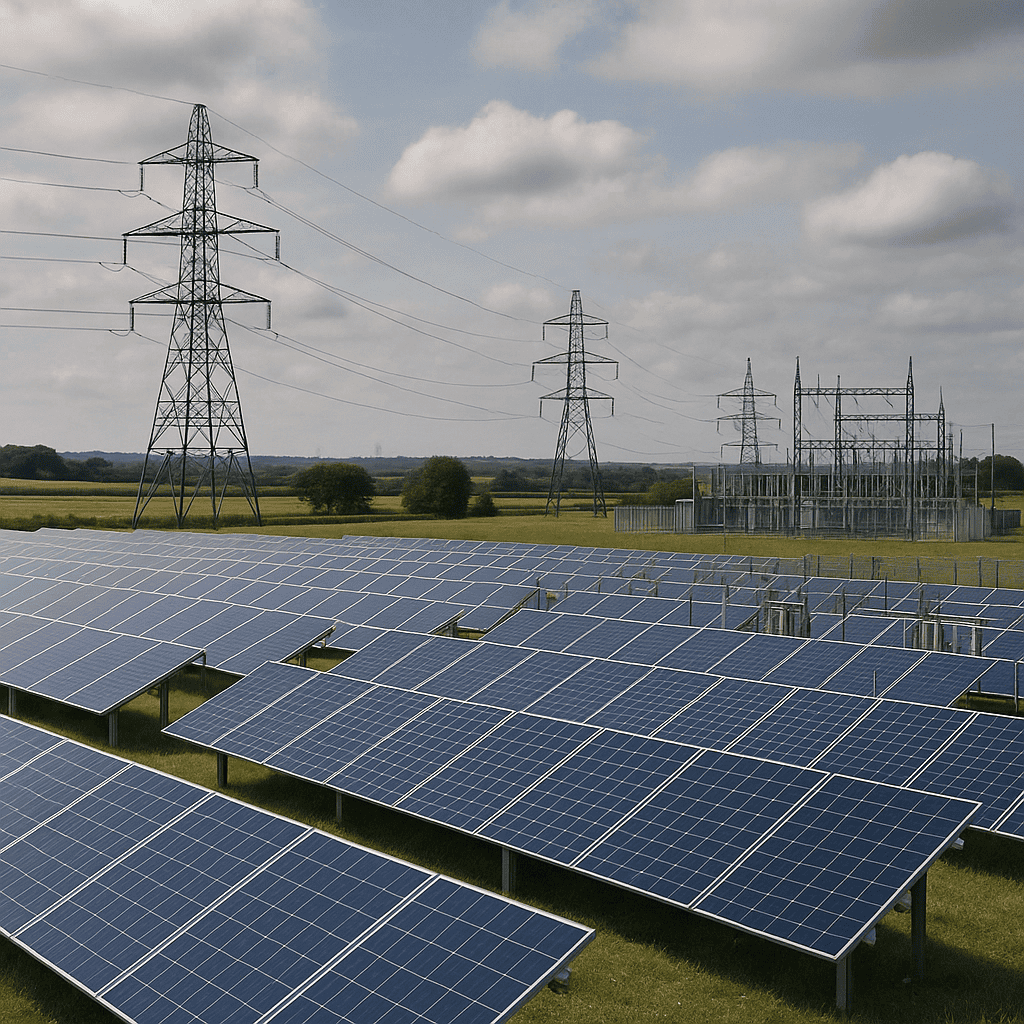
One of the primary factors influencing grid service costs is the geographical location of the solar installation. Different regions have varying levels of grid infrastructure maturity, which can lead to differences in connection costs. Areas with robust grid systems may offer lower costs due to established infrastructure, whereas remote or less-developed areas might incur higher expenses due to the need for additional investment in grid connectivity.
The scale of the solar project also plays a significant role in determining costs. Larger installations may benefit from economies of scale, resulting in lower per-unit costs for grid services. However, they may also require more sophisticated grid management solutions to handle the increased energy output effectively. Smaller installations might face higher relative costs but can benefit from simpler integration processes.
Finally, regulatory policies and incentives can greatly impact the cost structure. Government incentives aimed at promoting renewable energy can reduce costs by offering subsidies or tax benefits. Conversely, stringent regulatory requirements might increase costs by necessitating compliance with specific technical standards or grid compatibility measures. Understanding these regulatory nuances is essential for effectively managing grid service costs in the solar energy sector.