
How do metering systems affect the efficiency of solar inverters?
Metering systems play a crucial role in determining the efficiency of solar inverters, serving as the bridge between solar power generation and its consumption or export. By accurately measuring the energy produced and consumed, metering systems ensure that solar inverters operate optimally, maximising the energy yield and financial benefits for users.
The efficiency of solar inverters is significantly influenced by the type and accuracy of the metering system in place. These systems not only track energy flow but also help in managing and optimising energy use. With precise metering, users can make informed decisions about energy consumption and export, thereby enhancing the overall efficiency of their solar inverter systems.
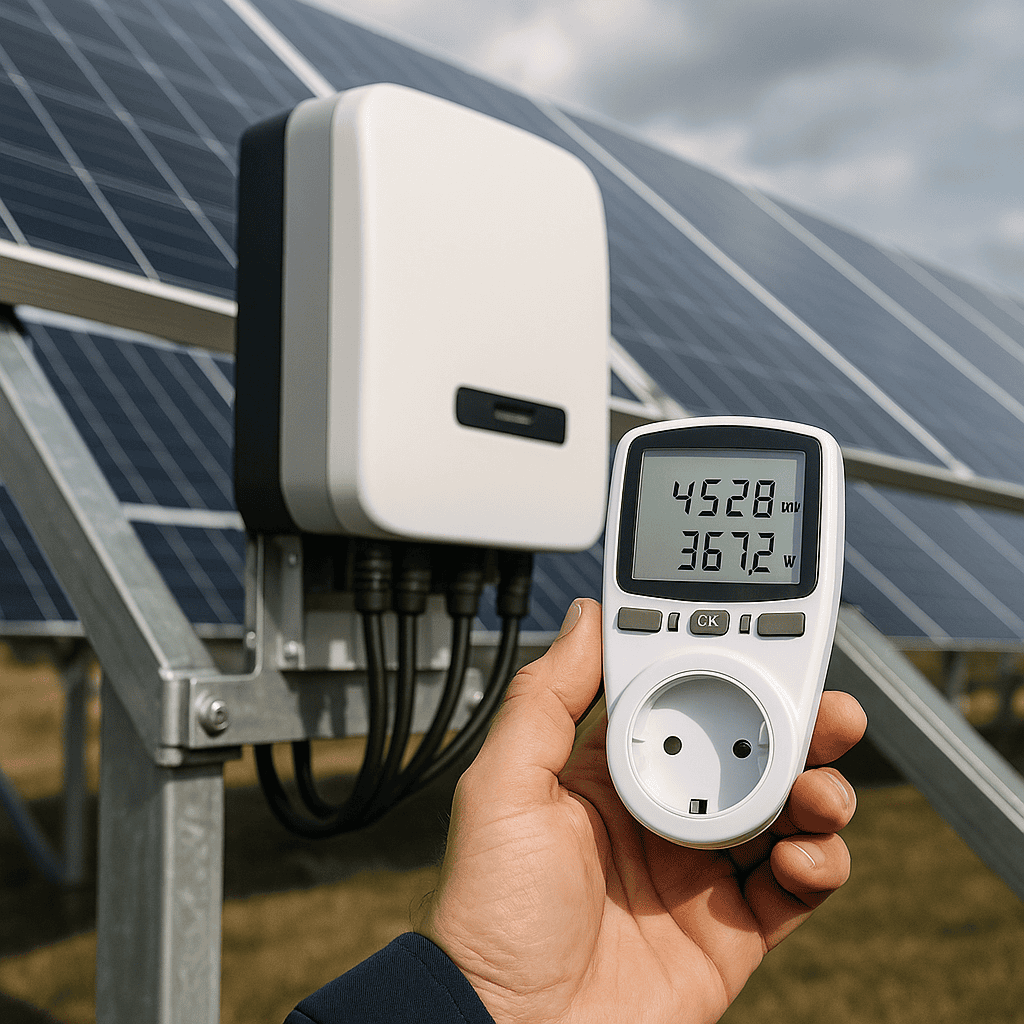
The primary function of a metering system in the context of solar inverters is to accurately measure the energy generated by solar panels and ensure it is efficiently converted and used. Export meters, for instance, monitor the surplus energy fed back into the grid, providing essential data that can influence inverter settings and operational strategies. This ensures that the maximum possible energy is utilised or exported, contributing to greater system efficiency and better financial returns.
In addition to measuring energy production and export, metering systems can also identify inefficiencies and anomalies in the energy flow. By detecting issues such as energy losses or irregularities in consumption, these systems allow users to address problems promptly, maintaining the efficiency of the solar inverter. Regular monitoring and adjustments based on meter readings can lead to enhanced performance and longevity of the inverter system.
Moreover, advanced metering systems offer real-time data and insights, empowering users to optimise their energy usage patterns. By understanding peak production times and aligning them with consumption needs, users can maximise their reliance on solar energy, reducing dependency on the grid. This not only improves the efficiency of the solar inverter but also contributes to a more sustainable and cost-effective energy solution.