
What are the long-term savings associated with solar energy?
Solar energy offers a compelling opportunity for long-term savings, primarily through reduced electricity bills and increased property value. By harnessing the power of the sun, homeowners can significantly cut down on their reliance on traditional energy sources, leading to considerable financial savings over time. The initial investment in solar panels may seem substantial, but the long-term benefits often outweigh the upfront costs.
Moreover, government incentives and decreasing costs of solar technology have made it more accessible than ever. The potential for savings is not only limited to reduced energy bills but also includes potential tax benefits and rebates. As utility rates continue to rise, the savings associated with solar energy are likely to become even more pronounced, making it a wise financial decision for many homeowners.
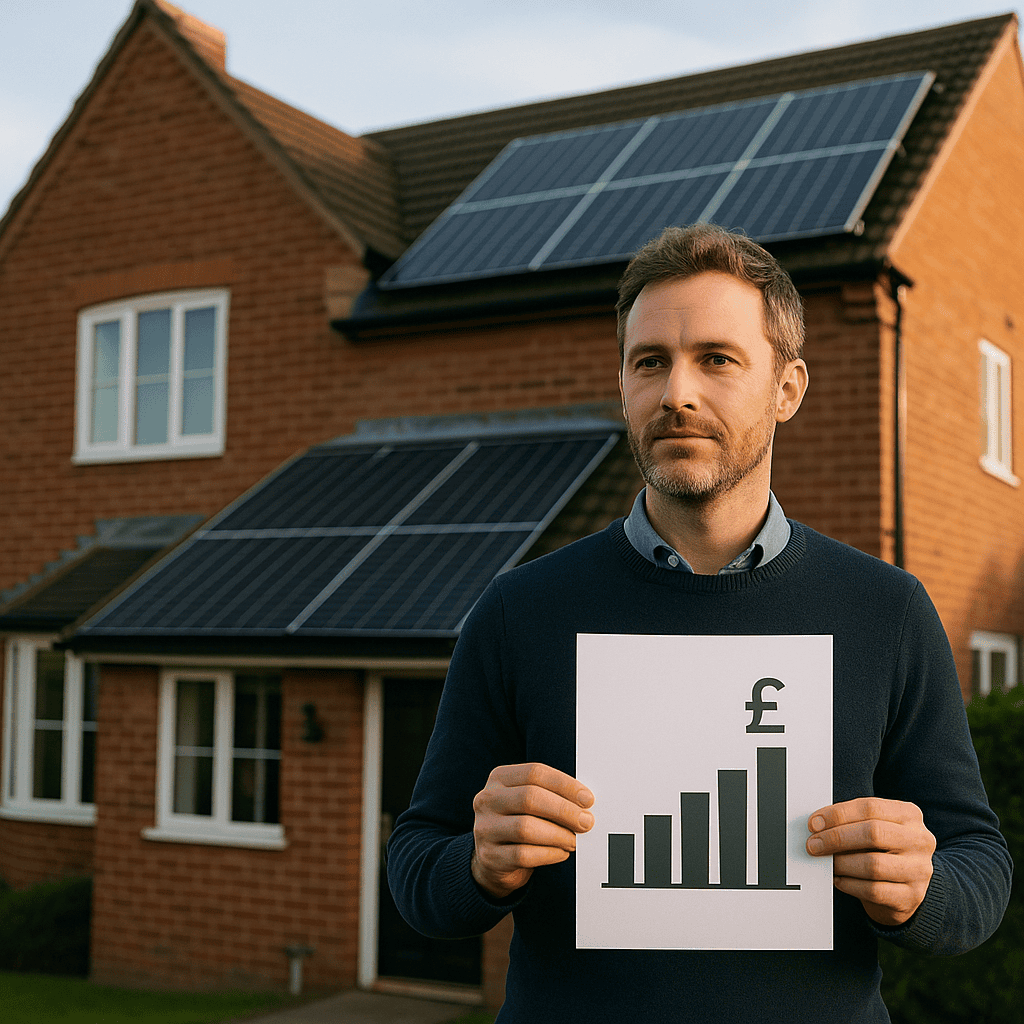
One of the primary ways solar energy leads to long-term savings is through the reduction of electricity bills. Once solar panels are installed, they generate electricity from sunlight, which can significantly decrease or even eliminate your monthly electricity expenses. Over the lifespan of the solar panels, typically 25 to 30 years, these savings can accumulate substantially.
Additionally, solar panels can enhance the value of your property. Homes equipped with solar energy systems are often more appealing to potential buyers, as they offer the advantage of reduced energy costs. This can translate into a higher resale value, providing an added financial benefit to homeowners considering future property sales.
Finally, investing in solar energy can offer protection against rising energy costs. As utility rates increase, the savings from generating your own electricity become more significant. This long-term financial predictability can be particularly advantageous in an uncertain energy market, ensuring that your household budget remains stable over the years.