
Do solar panels work efficiently in the UK climate?
Solar panels can indeed work efficiently in the UK climate, despite the country’s reputation for frequent cloud cover and rain. The efficiency of solar panels is not solely dependent on direct sunlight; they can also generate electricity on cloudy days. The UK receives enough sunlight throughout the year to make solar panels a viable and effective option for renewable energy.
In fact, solar technology has advanced to the point where panels can efficiently convert both direct and diffuse sunlight into electricity. This means that even in less sunny regions, solar panels can still provide a substantial amount of energy. Therefore, the UK climate does not hinder the effectiveness of solar panels, making them a practical choice for those looking to invest in sustainable energy solutions.
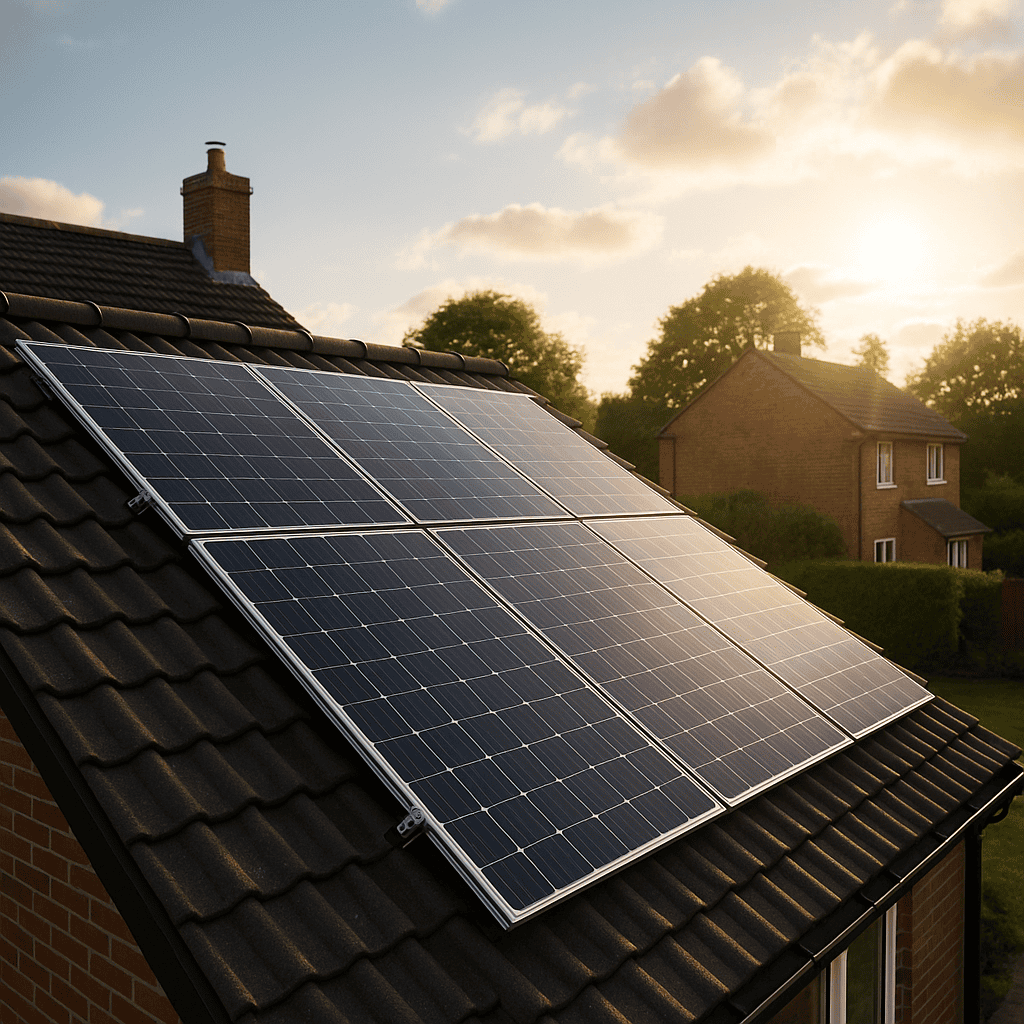
The UK enjoys long daylight hours in the summer months, which contributes significantly to the efficiency of solar panels. During this period, solar panels can harness more solar energy, offsetting the shorter days of winter. Even during the winter months, solar panels can produce a reasonable amount of electricity, given that they can still operate under diffuse light conditions.
Moreover, the moderate temperatures in the UK can actually benefit solar panel efficiency. High temperatures can reduce the efficiency of solar panels, so the milder UK climate helps maintain their performance. This stability in temperature allows solar panels to operate efficiently without the risk of overheating, which can be a concern in hotter climates.
Additionally, the UK’s commitment to renewable energy and government incentives further encourage the adoption of solar technology. Homeowners and businesses can benefit from schemes aimed at increasing solar energy usage, making it a financially attractive option. These incentives, combined with the technological advancements in solar panel efficiency, ensure that solar panels remain a viable and effective energy solution in the UK climate.